














Features testimonials
What do electrolytes do?

Read Next Article
Enter your email address for your account and we’ll send a reset link.
New to Absolute Collagen? Join today!
Save 18% when you subscribe to a supplement
From just £19.20
Exclusive Absolute Rewards loyalty scheme
90 day money back guarantee
Edit, skip or cancel anytime
Free delivery & 18% off all recurring orders

You've unlocked Absoluter pricing discounts on our Deep Lift Skincare subscriptions when purchased with a Supplement subscription.

Electrolytes might sound like one of those complicated health words, but they’re actually pretty simple. They’re essential minerals, including sodium, potassium and magnesium, that help your body do some very important jobs – from supporting muscle function and nerve signalling to keeping your fluid levels balanced.
And while electrolytes can help replace minerals lost through sweat and support normal hydration, more isn't necessarily better. Taking too much of certain electrolytes can cause unwanted side effects.
Electrolytes aren't something you need to be worried about. Your body needs them.
Problems can arise when you have too much of a particular electrolyte, especially through supplements or drinks containing large amounts of sodium, potassium, or magnesium.
“Too low a level of electrolytes can cause fatigue or muscle cramps. Too high a level of electrolytes can cause digestive problems, diarrhoea or nausea. Its important to take a balanced dose of electrolytes and remember to drink sufficient water to stay hydrated during the day.” - Dr Dave Reilly, Senior Scientist at Absolute Collagen
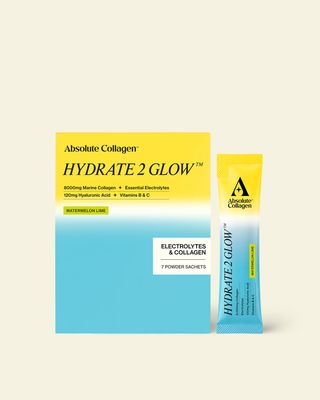
We recommend choosing a carefully formulated electrolyte product such as our HYDRATE 2 GLOW™ and sticking to the recommended serving.
Here are some of the potential side effects of taking too many electrolytes:
Yes, taking too much of certain electrolytes can cause gut issues, including diarrhoea.
Magnesium is one to keep an eye on. High doses of supplemental magnesium can have a laxative effect, while excessive amounts of some other minerals may also contribute to stomach upset.
That doesn't mean your electrolyte drink is going to send you running for the loo. It's usually about how much you're taking and what's actually in the product.
Electrolyte imbalances can be associated with headaches, but it's not quite as simple as saying electrolyte drinks cause headaches.
Your body needs the right balance of minerals, and both too much and too little of certain electrolytes can cause problems. Dehydration itself can also contribute to headaches, which is one reason staying properly hydrated is so important.
Feeling a little puffy after your electrolyte supplement? The culprit could be the formulation rather than the electrolytes themselves.
Some electrolyte products contain high amounts of sodium, which can contribute to water retention when you have too much. Certain sweeteners and other ingredients used in electrolyte drinks can also cause bloating for some people.
So, before blaming the electrolytes, check what's actually in the product. A well-considered formula doesn't need to come with a long list of unnecessary extras.
Electrolytes themselves aren't stimulants like coffee, so they shouldn't normally keep you awake.
But some electrolyte drinks contain caffeine, green tea extracts, or other stimulating ingredients, so it's worth checking the label if you're drinking one close to bedtime.
In short: electrolytes aren't usually the reason you're staring at the ceiling at midnight. But the rest of the formula might be.
Kidney stones can have several causes, and staying hydrated is actually one of the most important ways to help reduce your risk.
However, having too much sodium, including from some electrolyte drinks, may increase the risk of certain types of kidney stones.
For those over 50, keeping on top of hydration and electrolyte balance is particularly important. Kidney function can naturally change with age, which may affect how well the body regulates and filters fluids and minerals.
If you're prone to kidney stones or have been advised to follow a particular diet because of them, it's worth speaking to your GP or healthcare professional before adding an electrolyte supplement to your routine.
Luckily, avoiding unwanted electrolyte side effects doesn't have to be complicated.
You don't need to drink electrolyte drinks constantly just because they're good for you. Follow the recommended serving size and think about when you actually need additional electrolytes.
Not all electrolyte products are created equal. Some can contain lots of added sugar, while others may have more sodium or individual minerals than you actually need.
So, before you buy, check the label. Look at the minerals, the amounts and any additional ingredients.
Ideally, look for a carefully considered formula that provides useful electrolytes without unnecessary sugar or excessive amounts of individual minerals.
Electrolytes aren't a replacement for water. Think of them as a helping hand when you need additional mineral support – particularly around exercise, sweating or periods when you're losing more fluid than usual.
For everyday hydration, plain old water still does the job. No bells, no whistles.
You should speak to your GP or another healthcare professional before taking electrolytes if you:
And if you develop persistent symptoms such as severe weakness, confusion, an irregular heartbeat, or ongoing vomiting or diarrhoea, seek medical advice rather than trying to deal with it on your own.
Like most things, it's about getting the balance right.
Electrolytes are essential minerals that your body needs every day, and they can be particularly useful for supporting hydration, normal muscle function, and your overall wellbeing.
You just don't need to go overboard.
At Absolute Collagen, we're all about making healthy habits simple, realistic, and easy to stick to. No extremes. No unnecessary fuss. Just clever ingredients that work alongside a balanced lifestyle.
That’s where Hydrate 2 Glow comes in. Each daily sachet combines essential electrolytes with 8,000mg of clinically proven hydrolysed marine collagen peptides, vitamin C, 120mg of hyaluronic acid and a range of B vitamins.
So, now that you know all about the potential side effects of electrolytes, it’s time to make electrolytes and collagen a part of your everyday routine. Browse our range of marine collagen supplements or take a look at our Sculpt Pro supplements for support during your weight loss journey.