Features testimonials
Does drinking water help you lose weight?
Read Next Article
Enter your email address for your account and we’ll send a reset link.
New to Absolute Collagen? Join today!
Save 18% when you subscribe to a supplement
From just £19.20
Exclusive Absolute Rewards loyalty scheme
90 day money back guarantee
Edit, skip or cancel anytime
Free delivery & 18% off all recurring orders

You've unlocked Absoluter pricing discounts on our Deep Lift Skincare subscriptions when purchased with a Supplement subscription.
If you’re struggling on your weight loss journey during menopause, you’re not imagining it. Hormonal changes during menopause can make losing weight during menopause even more challenging. Your body might not respond the way it used to. Maybe the weight loss habits that worked in your 20s or 30s suddenly fall flat.
And the scale? It can feel harder to shift than ever.
But here’s the important part: it’s not impossible. The key is to adjust your approach.
Here’s your straightforward guide to navigating losing weight during menopause in a way that feels sustainable and effective.
During menopause, your body goes through significant hormonal shifts, namely a drop in oestrogen.
Oestrogen plays a role in regulating metabolism, as well as influencing where your body stores fat. As levels of oestrogen decline during menopause, fat is more likely to be stored around the abdomen rather than the hips and thighs. Lower oestrogen levels can also lead to a variety of other symptoms, such as hot flushes and drier skin, which may get worse in winter.
At the same time, muscle mass naturally decreases with age. Since muscle burns more calories than fat, this slows down your metabolism.
Add in changes to sleep, stress levels, and insulin sensitivity, and it’s easy to see why weight loss during or after menopause can feel frustrating.
But understanding what’s happening puts you back in control.
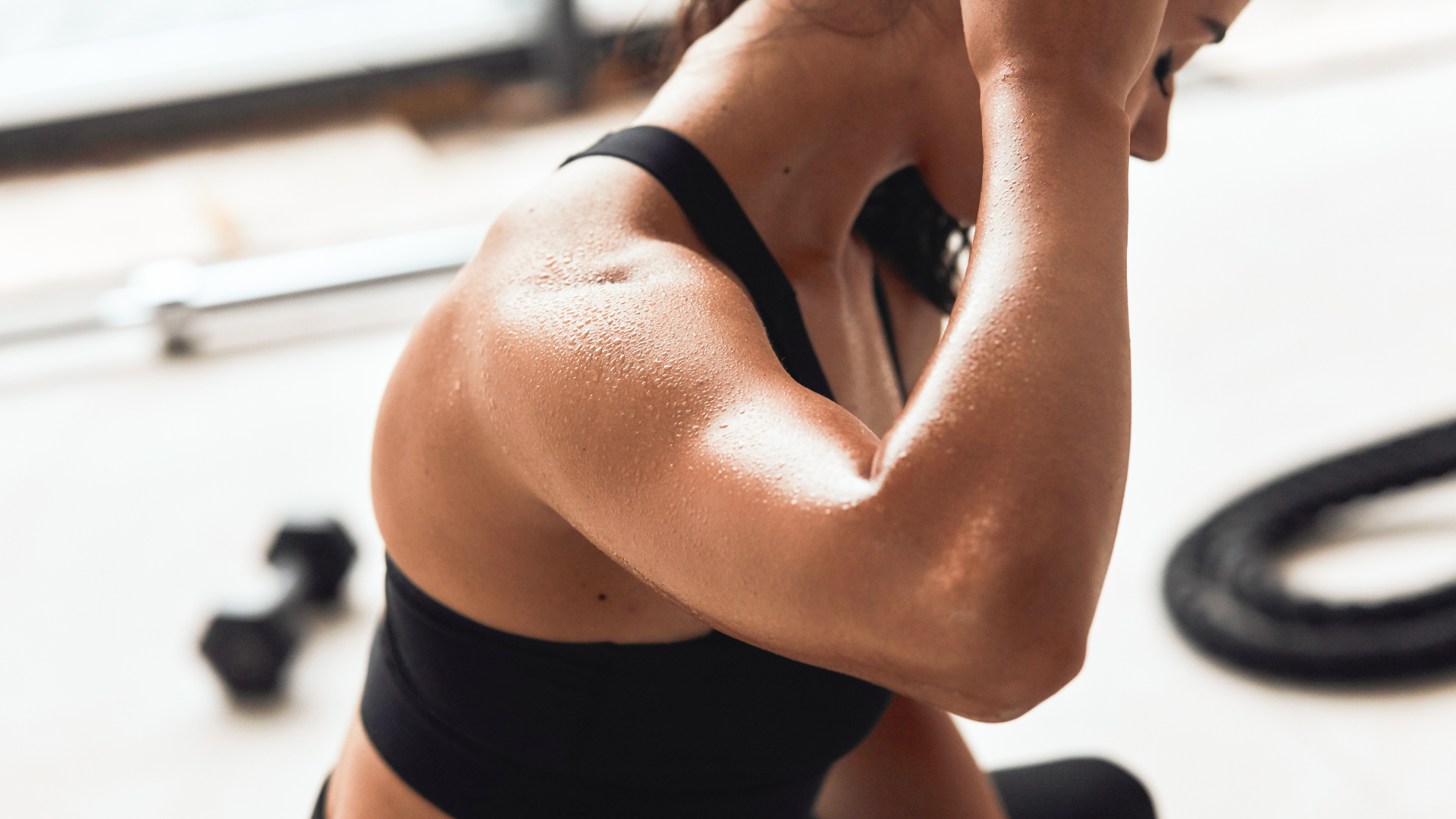
If there’s one non-negotiable for losing weight during menopause, it’s strength training. This means using resistance when you exercise, whether that’s through lifting weights or doing bodyweight exercises.
One of the side effects of weight loss is a loss of muscle mass, which can cause your metabolism to slow. Strength training helps rebuild that muscle, which in turn helps your body burn more calories, even at rest.
Strength training can also help reduce the appearance of loose skin after weight loss, as building muscle underneath loose skin can give it more structure and support.
You don’t need to lift heavy weights every day. Start with 2-3 sessions a week using resistance bands, bodyweight exercises, or light weights. You could do this with a personal trainer, or just in a gym using the machines.
There’s no single best diet for menopause. However, eating enough protein becomes even more important during menopause.
It helps preserve muscle mass, keeps you fuller for longer, and supports overall metabolism. If you don’t eat the amount protein your body needs during your weight loss journey, you’re much more likely to lose muscle along with fat.
Less muscle mass means that you’ll burn less calories at rest, making weight gain much more likely.
Aim to include a source of protein in every meal – think fish, lean meat, tofu, or eggs. We also suggest eating a high protein snack after your workouts, like Greek yoghurt, which also contains probiotics.
It’s also worth considering different types of protein. For example, collagen is another form of protein that doesn’t directly support muscle in the same way but instead helps maintain skin structure and hydration. Collagen can be particularly beneficial during menopause, when natural collagen production declines and changes in skin texture may become more noticeable.
“High quality proteins such as Greek yoghurt, eggs, oily fish and beans and pulses are nutrient-dense foods which can support blood sugar balance, weight loss and skin health. Vegetables should also be consumed regularly and users should be aiming for plant diversity in the diet to support their gut health and micronutrient requirements.” - Jenna Hope, Nutritionist.
Although there’s no single best weight loss approach during menopause, keeping an eye on your blood sugar levels can be a highly effective strategy.
During menopause, hormonal changes can make your body more sensitive to blood sugar spikes and crashes. This can lead to increased cravings, energy dips, and stubborn fat storage.
To prevent spikes your blood sugar:
Sleep and stress have a direct impact on weight.
Unfortunately, many women struggle to get a good night’s sleep during menopause.
That’s why it’s important to prioritise rest as much as possible. Poor sleep can disrupt hunger hormones, making you feel hungrier and less satisfied after meals.
Sleep isn’t the only thing that affects your weight – stress can too. Chronic stress increases cortisol, which is linked to abdominal fat storage.
Aim for consistent, high-quality sleep and build small stress-reducing habits into your routine, whether that’s walking, journaling, or simply taking time to unwind.
These factors might not seem as important as diet and exercise, but in reality, they play a major role in losing weight during menopause.
If you’re already post-menopausal, the same principles apply, but consistency becomes even more important.
Focus on building habits you can stick to long-term rather than quick fixes. Extreme calorie restriction or excessive cardio often backfires, leading to muscle loss and slower metabolism.
That’s why it’s even more important to focus on sustainability. Make sure you give yourself a day or so to rest and recover after exercising and remember, it’s okay to treat yourself occasionally. Just get back on track the next day.
This is the foundation of sustainable weight loss after menopause.
With the right approach, you can start to see changes within a few weeks, with more noticeable results in a few months.
Progress during menopause may feel slower, but that doesn’t mean it isn’t happening. The key is patience. Your body’s adapting and lasting results take time. Remember, the goal isn’t rapid weight loss. It’s steady weight loss.
Finally, note that progress isn’t defined solely by the number on the scale. Focus on how you feel day-to-day too. For example, you might feel lighter and more energised, or stronger and more confident when doing your daily activities. Celebrate every win, no matter how small it seems.
As you lose weight during menopause, getting enough vitamins and nutrients isn’t always straightforward. That’s where targeted support can help.
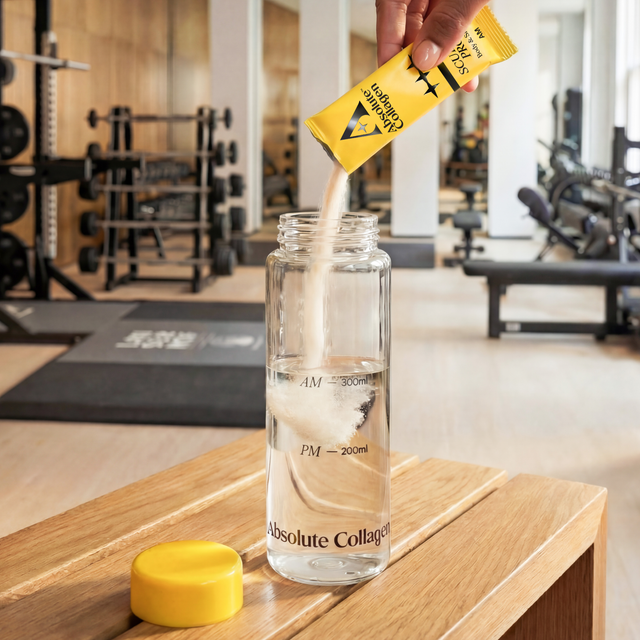
Sculpt Pro is designed to support your body during weight loss, replenishing key nutrients that are sometimes depleted whilst losing weight. These include:
“Now I’m taking Absolute Collagen Sculpt Pro, I have more energy than ever, and I’m stepping into my sixties with a real spring in my step and a huge smile on my face.” Maxine Laceby, Founder.
Ready to feel stronger, more energised, and in control again? Visit the Absolute Collagen blog for more expert advice on losing weight during menopause, as well as tips on building habits that truly work for your body.