Features testimonials
Your guide to bovine collagen
Read Next Article
Enter your email address for your account and we’ll send a reset link.
New to Absolute Collagen? Join today!
Save 18% when you subscribe to a supplement
From just £19.20
Exclusive Absolute Rewards loyalty scheme
90 day money back guarantee
Edit, skip or cancel anytime
Free delivery & 18% off all recurring orders

You've unlocked Absoluter pricing discounts on our Deep Lift Skincare subscriptions when purchased with a Supplement subscription.
Creatine and collagen supplements are having a moment in the wellness world.
Both are naturally found in you. Both play very different roles. And together? They support 2 things that matter more than ever as we age: energy and structure.
Because movement isn’t just about muscles. It’s about the power to move – and the support that holds you together while you do.
Let’s break down why creatine and collagen are such a great supplement duo.
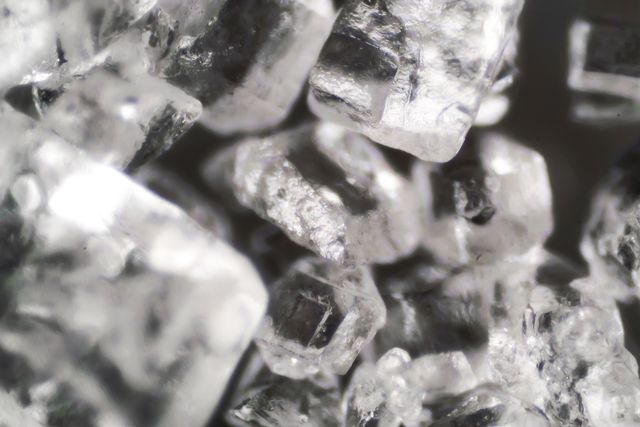
Creatine is a naturally occurring compound your body already makes. You’ll also find small amounts in foods like meat and fish.
Its main job? Supporting energy production at a cellular level.
In simple terms, creatine helps your body generate quick, usable energy, particularly in tissues that need short bursts of effort. Yes, that includes muscles. But it also includes everyday movement: standing up, climbing stairs, carrying shopping, holding good posture.
This isn’t about becoming bulky. It’s about supporting what your body is already trying to do.
Energy isn’t just a gym thing. It’s a life thing.
And as we get older, that steady, reliable energy can feel less predictable. Supporting it makes sense, whether your ‘workout’ is strength training, pilates, or getting through a busy Wednesday without feeling depleted.
Collagen is the most abundant protein in the body. Think of it as your internal scaffolding.
It provides strength and structure to skin, bones, muscles and connective tissue. When you bend, stretch, lift or move, collagen is part of what makes that possible.
It’s also central to how skin looks and feels. Firmness. Elasticity. Smoothness. That bounce that makes skin feel like yours.
Here’s the biological reality: from our mid-twenties, natural collagen production begins to decline. Gradually, but consistently.
That’s when you may start noticing changes in your skin or in your hair. Taking collagen supplements isn’t about chasing 25. It’s about backing your biology.
Because they do different jobs - and that’s exactly the point. Creatine supports energy production. Collagen supports structural integrity. One helps power movement. The other helps support the framework that makes that movement possible.
As we age, 2 things naturally shift:
That’s not a flaw. It’s simply the reality of getting older. Combining creatine and collagen means you’re supporting both sides of the equation - energy and structure, in 1 routine.
Not just for workouts. For everyday life.
Short answer? More people than you think.
Creatine is often marketed to gym-focused audiences. Collagen is often framed as purely ‘beauty’.
Both deserve a rebrand. Creatine and collagen together support energy, structure, and strength, which makes them relevant well beyond sport or skincare trends.
Not even close. Creatine has been boxed into the weight room for years. But its core function, supporting cellular energy, isn’t exclusive to athletes.
If your body uses energy, creatine is relevant. In fact, it can be particularly useful for:
This isn’t about lifting heavier. It’s about feeling supported in your everyday life.
Creatine and collagen can be especially supportive during times of hormonal change.
During perimenopause and menopause, many women notice shifts in:
At the same time, collagen production continues to decline. So, by taking creatine and collagen together, you can address 2 common themes of this stage of life: feeling energised and feeling structurally supported.
GLP-1 medications can be transformative for weight management. But they work by reducing appetite and overall intake.
When food intake drops, overall protein and nutrient intake can drop too, which can cause side effects that have an impact on muscle mass, skin appearance, and energy levels. Supporting protein intake and structural integrity becomes increasingly important during this time.
That’s where our Sculpt Pro can be invaluable, supporting both skin structure and muscle maintenance alongside energy production with both collagen and creatine. The UK’s first 2-part system with 30 targeted, precision-dosed, clinically-aligned ingredients to tackle the key symptoms of rapid weight loss. Sculpt Pro, co-developed by women on GLP-1 weight loss medications combines:
If you’re on a weight loss journey, it’s not just about what you’re losing. It’s about what you’re supporting.
Want more advice on maintaining your skin, hair and muscle tone while losing weight? Explore more expert guidance on our blog.