Features testimonials
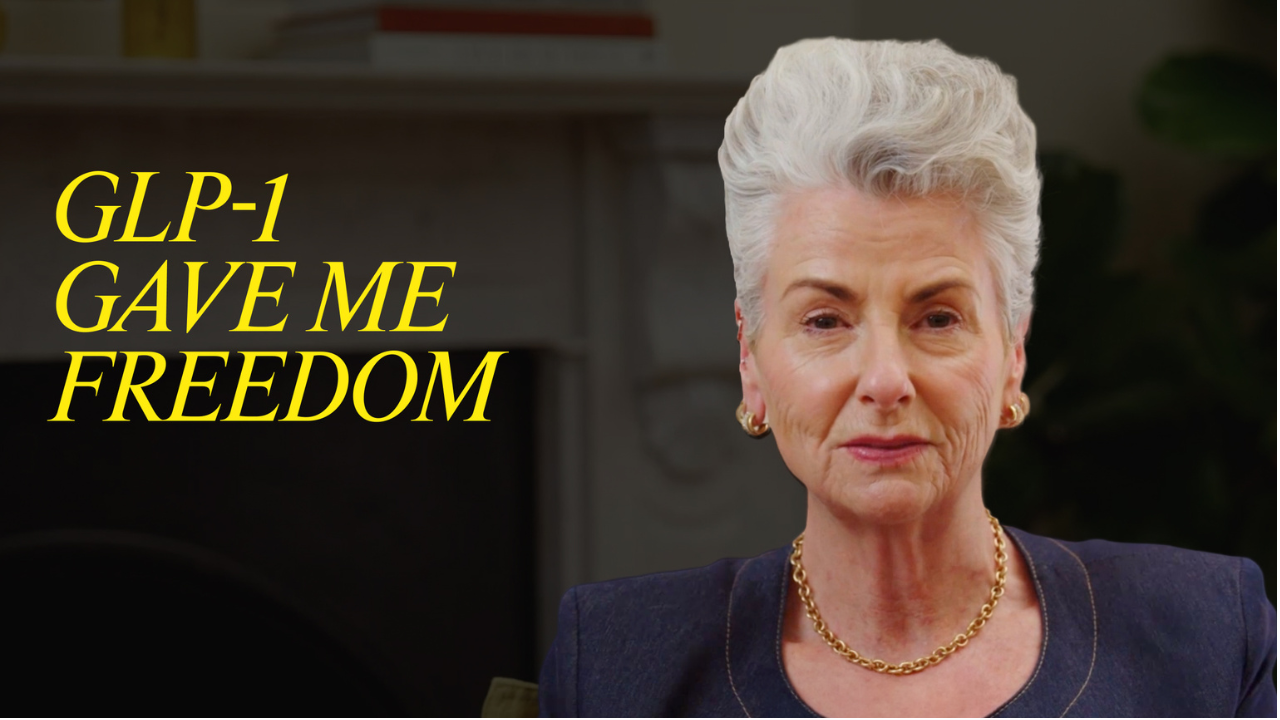
GLP-1 journeys explained: Maxine Laceby on weight loss, stigma & support
Read Next Article
Enter your email address for your account and we’ll send a reset link.
New to Absolute Collagen? Join today!
Save 18% when you subscribe to a supplement
From just £19.20
Exclusive Absolute Rewards loyalty scheme
90 day money back guarantee
Edit, skip or cancel anytime
Free delivery & 18% off all recurring orders

You've unlocked Absoluter pricing discounts on our Deep Lift Skincare subscriptions when purchased with a Supplement subscription.

“It’s not ageing that's the problem, is it really? It’s losing collagen that’s the problem,” says Emma Willis.
It’s a simple shift in perspective, but an important one.
For years, the beauty conversation has framed ageing as something to fight. But the reality is more straightforward - and more grounded in biology. As we age, collagen production naturally declines. That’s when changes in skin structure, firmness and elasticity start to show.
The goal isn’t to ‘reverse’ ageing. It’s to understand what’s happening beneath the surface, and support it.
Looking back at her younger self, Emma Willis reflects on something many women will recognise - how much energy was spent worrying about what other people thought.
“Stop worrying about what other people think. I was constantly worried,” says Emma.
That constant pressure to stay in your lane. To not try something new. To not get it wrong.
“Yeah. I can’t do that. I’m not the type of person to do that… I should stay in my lane,” she adds.
With time, that shifts. There’s still ambition. Still high standards. But there’s less attachment to perfection and more appreciation for progress.
Because ageing powerfully isn’t about lowering expectations. It’s about changing your relationship with them.
“‘Practice makes perfect’ doesn’t quite hold up anymore. I’m not a believer in perfection - I think everything is progress,” reflects Emma.
Instead, it’s about recognising that:
“Practice is progress and failure is progress - all of it is,” she says.
That mindset doesn’t just apply to life - it applies to how we think about skin, too. There’s no quick fix. No overnight transformation. Just consistent support, over time.
One of the biggest shifts that comes with age is how you see yourself. In your 20s, it’s easy to take your body for granted. To focus outward. To prioritise everything else.
“I never even thought about it when I was in my 20s,” Emma admits.
Later, there’s often a return. A sense of coming back to yourself. Appreciating what your body does rather than just how it looks.
“And then you start to remember yourself. You come back and regain yourself,” she says.
“I think I love and appreciate myself and my body so much more,” Emma adds.
That shift changes everything - including how you approach skincare.
Collagen isn’t about chasing youth. It’s about supporting your skin as it changes.
From your mid-20s onwards, your natural collagen production begins to decline. Over time, that impacts how skin looks and feels - which is why the conversation isn’t about ‘anti-ageing’. It’s about backing your biology. Supporting your skin in a way that works with it - not against it.
Ageing powerfully isn’t about turning back time.
“I think, it’s really about embracing life, yourself, everything you have - and enjoying it,” says Emma.
It’s about:
“Life’s about actually living and being present” she adds.
Or, more simply, embracing where you are - and backing yourself there. Because great skin isn’t about perfection. It’s about understanding, consistency, and working with your biology over time.
Shop the Emma Willis edit and discover her beauty must-haves.